
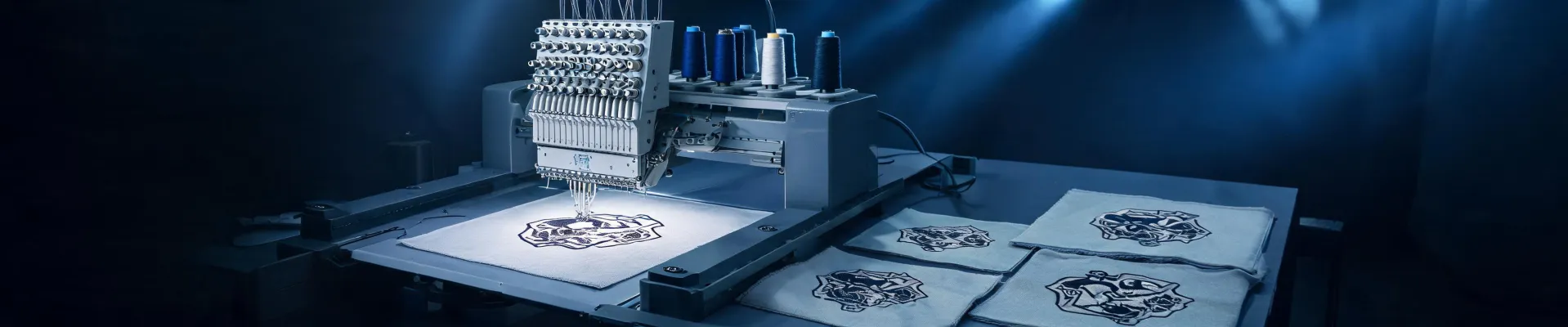
Melco Embroidery Machine FAQ: What 6 Years and $12K in Mistakes Taught Me
2026-08-10 · Elise Marceau
-
1. Is a Melco embroidery machine worth the price?
-
2. What's the Melco Summit embroidery machine price?
-
3. What should I check before buying a used Melco embroidery machine?
-
4. Can I start with a cheaper machine like the Skitch PP1 or a Watt sewing machine?
-
5. What are the hidden costs of running a Melco embroidery machine?
-
6. How do I know if I need a 16-needle machine?
-
7. Where do I find reliable machine embroidery news and updates?
-
8. What should I look for in dealer support and warranty?
If you're researching Melco embroidery machines, you probably have the same questions I had back in 2019. I run production for a commercial embroidery shop, and in the last 6 years I've personally made—and documented—14 significant mistakes, totaling roughly $12,000 in wasted budget. Now I maintain our team's pre-production checklist. It has caught 47 potential errors in the past 18 months. This FAQ is the resource I wish someone had handed me before I wrote the first big check.
1. Is a Melco embroidery machine worth the price?
I'm not going to tell you it's cheap, because it isn't. A multi-needle commercial machine is a serious capital expense. But after running production for 6 years, I can say this: the lowest-priced machine I ever owned was the most expensive one to operate.
It took me about 4 years and 40-plus orders gone wrong to understand that the sticker price isn't the real cost. Thread breaks, re-hooping, re-runs, missed deadlines—those are costs, too. When you add them up, a $10,000 "savings" on a machine that isn't reliable disappears pretty fast.
My advice: don't just compare price tags. Compare what each machine costs per finished order, per month, per year. That's the number that actually matters.
2. What's the Melco Summit embroidery machine price?
I get this question more than any other, so here's a straight answer. Based on what we paid and the quotes I've seen around the industry in late 2024, a Melco Summit with 16 needles and a standard accessory package lands somewhere in the $25,000–$40,000 range. The final number depends on configuration, hoops, software licensing, and whether you're financing or paying outright. Prices shift over time, so always verify current pricing with a Melco dealer before you budget.
But honestly, the price is the wrong question. The right question is how fast the machine pays for itself. Our Summit earned back its cost in about 18 months of steady production. If you expect commercial volume, a machine that pays for itself in 18 months beats one that saves you money upfront but caps what you can produce.
The price range also depends on whether you're buying one machine or building a full production setup. If you're adding a second head to an existing shop, the math looks different than outfitting a floor from zero. The first time you put together a complete quote might surprise you—accessories, software, installation, training, it all adds up. That's not a reason to avoid it, but it is a reason to ask for a whole setup quote instead of a machine-only price.
3. What should I check before buying a used Melco embroidery machine?
This is where I raise my hand and admit a mistake. We didn't have a formal inspection process for used equipment when we started. Cost us $3,200 in repairs during the first year of ownership. I do not say that to scare you away from used machines—plenty of shops run them successfully. But you have to check them properly.
Here's what I look at now:
- Service records. If the seller doesn't have them, assume the machine wasn't maintained.
- Needle plate and hook assembly wear. Replacing these adds up fast.
- Software licensing. Make sure the machine is registered and the license actually transfers to you.
- Included hoops and accessories. A missing hoop set can cost $500 or more to replace.
The third time we ordered the wrong hoop size for a job, I finally created an accessory checklist. Should've done that after the first time. It's the kind of mistake that feels stupid in hindsight but is shockingly easy to make.
4. Can I start with a cheaper machine like the Skitch PP1 or a Watt sewing machine?
Fair question, and I looked into both of these when I was starting out. The Skitch PP1 embroidery machine and a Watt sewing machine are a lot easier on the budget. If you're testing demand with small orders, they can make sense as a first step.
But there's a reason commercial shops run multi-needle, multi-head systems. It's not status—it's production math. In 2023, we took a $3,200 uniform order that required 14 color changes. On a single-needle machine, that's close to three days of work. On our multi-needle Melco, we ran it in one day.
So my honest take: start small if you genuinely need to test the market. But set a rule for yourself right now—once commercial orders become consistent, the upgrade will cost more than buying the right machine from the beginning.
5. What are the hidden costs of running a Melco embroidery machine?
Here's where the whole "value over price" thing gets concrete. Beyond the initial purchase, plan for:
- Hoops and frames: about $200–$800 each, depending on size and type.
- Software and updates: budget $500–$2,000 per year.
- Maintenance: roughly $1,500–$4,000 per year at commercial volume.
- Operator training: new hires need time before they're efficient, and rushed training ruins material.
I don't list these to scare you. I list them because too many buyers compare two machines side by side and look only at the sticker price. The gap between a $20,000 machine and a $28,000 machine evaporates pretty quickly when you factor in downtime, service visits, and a missed deadline during peak week.
6. How do I know if I need a 16-needle machine?
Not everyone does. If most of your work is single-color designs or small pieces, a smaller machine will handle it fine. But here's what I've watched happen over 6 years: as clients trust you, orders get more complex. The local sports team order starts simple. Then they want more colors. Then patches. Then left-chest and back details, names on sleeves. Pretty soon you're turning down work because you don't have the needle capacity.
Before we upgraded, we lost at least six solid orders because we couldn't quote them. Those lost orders basically paid for the upgrade on their own once we made the jump. When you calculate the cost of a bigger machine, remember to calculate the cost of the jobs you can't take without it.
7. Where do I find reliable machine embroidery news and updates?
This is the question nobody asks, and I wish I'd asked it sooner. The embroidery industry doesn't make a lot of noise. If you're not actively paying attention, you'll miss updates that could change your workflow.
What I do now:
- Read manufacturer announcements directly—don't rely on secondhand summaries.
- Follow a couple of established industry forums where actual shop owners discuss what works.
- Review software release notes when a new version comes out.
For Melco specifically, a firmware update in 2022 added a feature we would've used on nearly every order after that. I missed it for months because I didn't have a system for checking. Now I set aside about 20 minutes at the start of each month to review machine embroidery news and updates. It's saved us hours of production time since.
8. What should I look for in dealer support and warranty?
Honestly, this might be the most important factor in the whole decision, and I almost ignored it. When we bought our second machine, we went with the dealer that had a local technician. That decision saved us during the supply chain issues in 2021, when we needed a critical part within 72 hours and got it.
Before you buy any Melco embroidery machine, ask the dealer these questions directly:
- How long is the warranty, and what exactly does it cover?
- Do you have a technician in our region, or would the machine need to be shipped?
- What's the typical response time for service calls during peak season?
- Is there a loaner machine or replacement head available if ours is down?
I've known shop owners who saved a few thousand dollars buying from a distant dealer, then waited two weeks for a service visit. Two weeks of downtime in a commercial shop costs a lot more than the savings. That's not hypothetical—we lost an $1,800 order that way in 2021.

Elise Marceau
Elise Marceau is an LED display and digital-signage systems analyst covering LED video walls, modular screens, transparent LED, control processors, and indoor or outdoor signage. She applies IEC 62368-1 safety principles while comparing pixel pitch, luminance, contrast, refresh rate, colour uniformity, viewing angle, ingress protection, power density, module serviceability, and signal redundancy. Her specification guides help integrators, venue operators, retailers, and procurement teams align viewing distance, ambient light, content format, installation access, electrical load, and lifecycle support.
Leave a Reply
Recent Posts
What an Undercover Compliance Check Taught Me About Age-Verification Vending Machines
I wasted $12,400 on vending equipment before I understood why ID verification is the only spec that actually matters. Here's the mistake, the fine, and the checklist that replaced it.
Melco Embroidery Machine Reviews Won't Tell You This—But Your Hooping Will
After three commercial embroidery machine purchases in five years, I've learned that reviews and price sheets only cover half the story. Here's what actually determines ROI in a real shop.
Choosing the Right Commercial Embroidery Setup: Three Scenarios (and the Mistakes I Made in Each)
A decision-framework guide for commercial embroidery equipment buyers, organized by three shop scenarios — with real cost mistakes, equipment comparisons, and a self-assessment checklist. Covers Melco EMT16X pricing, hoops, entry-level options, and more.
Melco vs HappyJapan: What I Check Before Buying a Commercial Embroidery Machine
A quality compliance manager compares Melco and HappyJapan commercial embroidery machines on price, software, hoops, mini options, and denim jacket workflows. Includes TCO red flags and scenario-based advice.
Sourcing a Melco Embroidery Machine for Sale Under Deadline Pressure: 9 Steps I Run
A rush-sourcing checklist for commercial multi-needle embroidery machines — from converting your deadline into hours to testing with your own file before you pay.
How Much Does a Melco Embroidery Machine Cost? A $12,000 Mistake I Made So You Don't Have To
A small embroidery shop owner shares how a Melco purchase quote turned into a $12,000 lesson about total cost, sewing machine output, small orders, and the questions to ask before buying.
Why Cheap Thread and Worn Hoops Cost More Than a Used Melco Embroidery Machine
A procurement manager's argument for why rework, client perception, and TCO make cheap embroidery inputs and undocumented used machines the most expensive choices in a commercial shop.
Commercial Embroidery Machine Checklist: Melco, Hoops, Software, and When a PE570 or Singer HD500 Makes More Sense
A quality manager's 7-step checklist for specifying a commercial embroidery sew machine, from hoops for Melco embroidery machine to Melco EMT16X price checks and honest limitations.
Your Melco Emergency Is Probably an Inspection Problem
Most rush embroidery failures start before the machine runs. A commercial embroidery specialist explains why prevention beats cure for Melco shops, Bravo owners, and London deadlines.
Why I Won't Buy a Home Embroidery Machine for Commercial Production (And When You Should)
A procurement manager's take on Melco Bravo, Melco embroidery software, and why hobby machines like SE2000 or Usha Janome Memory Craft 550E rarely belong in a commercial shop.