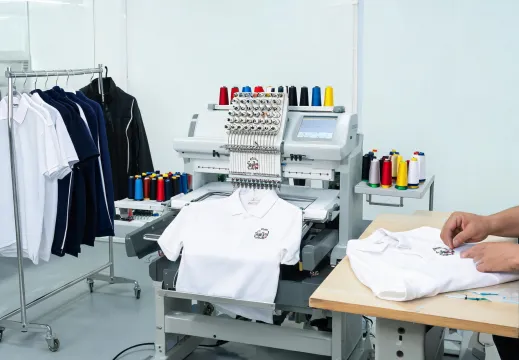
Apparel and uniforms
Placement repeatability matters when shirts, jackets, fleece, and staff uniforms move through different sizes and fabric weights.

Industrial embroidery buyers do not all run the same work. A cap specialist, a uniform supplier, a bag decorator, and a home textile shop may all need stitch quality, but their hooping, backing, artwork, and loading decisions are different. This page keeps the application discussion close to the article being decorated.
Placement repeatability matters when shirts, jackets, fleece, and staff uniforms move through different sizes and fabric weights.
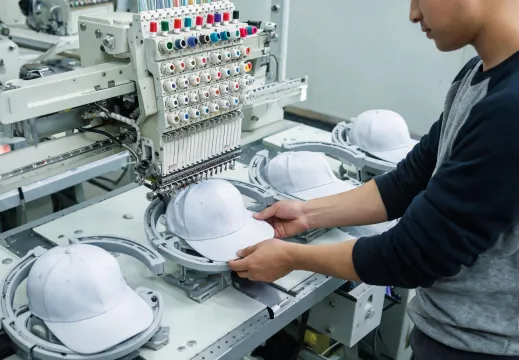
Curved panels require frame discipline, logo sizing judgment, and careful thread sequencing to protect the front profile.
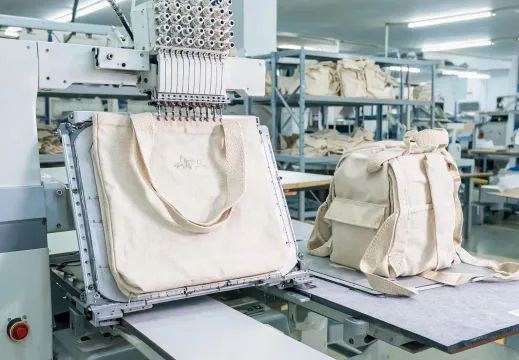
Access around pockets, seams, straps, and heavier material changes the way a machine cell should be prepared.
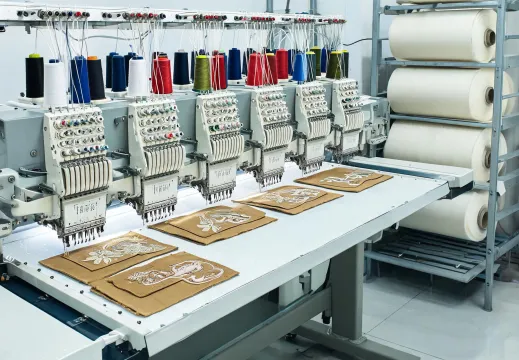
Patch programs need stable stitch density, repeatable borders, and organized finishing notes for recurring orders.

Towels, robes, blankets, and linens put emphasis on backing choice, pile control, and soft hand feel.
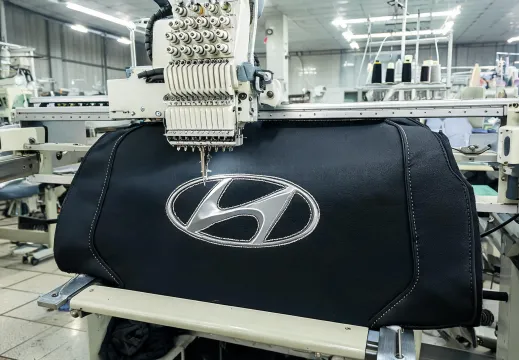
Thicker substrates and dimensional panels make planning around access, needle choice, and registration especially important.
A productive buying conversation should include what the finished article does under the hoop. Stretchy knits can distort small lettering. Structured caps can limit safe design height. Bags may make the operator work around seams or pockets. Towels can bury fine detail if density and backing are not reviewed early.
Melco planning can help the buyer turn those application details into a machine, frame, and workflow conversation. Instead of treating all embroidery as one category, the discussion can compare article access, repeat volume, thread changes, sampling expectations, and operator skill level. That is especially useful for shops adding embroidery to an existing print business, because the labor pattern is different from heat transfer or screen printing.
List the garments, caps, bags, patches, or textile goods you plan to run. Melco can respond with a more useful equipment conversation when the application context is specific.