Equipment matching
Melco conversations start with order profile, article access, thread color patterns, and available operator time. That makes the recommendation more grounded than a simple price comparison.

Service planning is not limited to a machine quote. It connects buying decisions, operator confidence, artwork readiness, hooping discipline, and realistic production scheduling so a shop can move from first sew-out to repeat order with fewer surprises.
Each pillar is written for commercial decorators that handle changing garments, changing artwork, and changing delivery dates. The goal is practical guidance that helps a team understand equipment fit before the purchase and build habits that protect quality after installation.
Melco conversations start with order profile, article access, thread color patterns, and available operator time. That makes the recommendation more grounded than a simple price comparison.
Floor space, garment staging, thread storage, and inspection flow are reviewed as part of the machine plan because bottlenecks often sit beside the equipment, not inside it.
Artwork files are discussed with stitch density, backing, trims, and fabric behavior in mind so a production file is ready for the garment being decorated.
Training can focus on thread path checks, hooping accuracy, cap frame use, sample approval, and repeat-order documentation that operators can apply daily.
When a shop adds staff, shifts, or article categories, the workflow can be revisited around real job history rather than broad equipment assumptions.
These numbers are planning markers, not inflated performance claims. They keep the service discussion focused on the operating decisions a decorator can actually control: setup, sampling, documentation, and staff confidence.
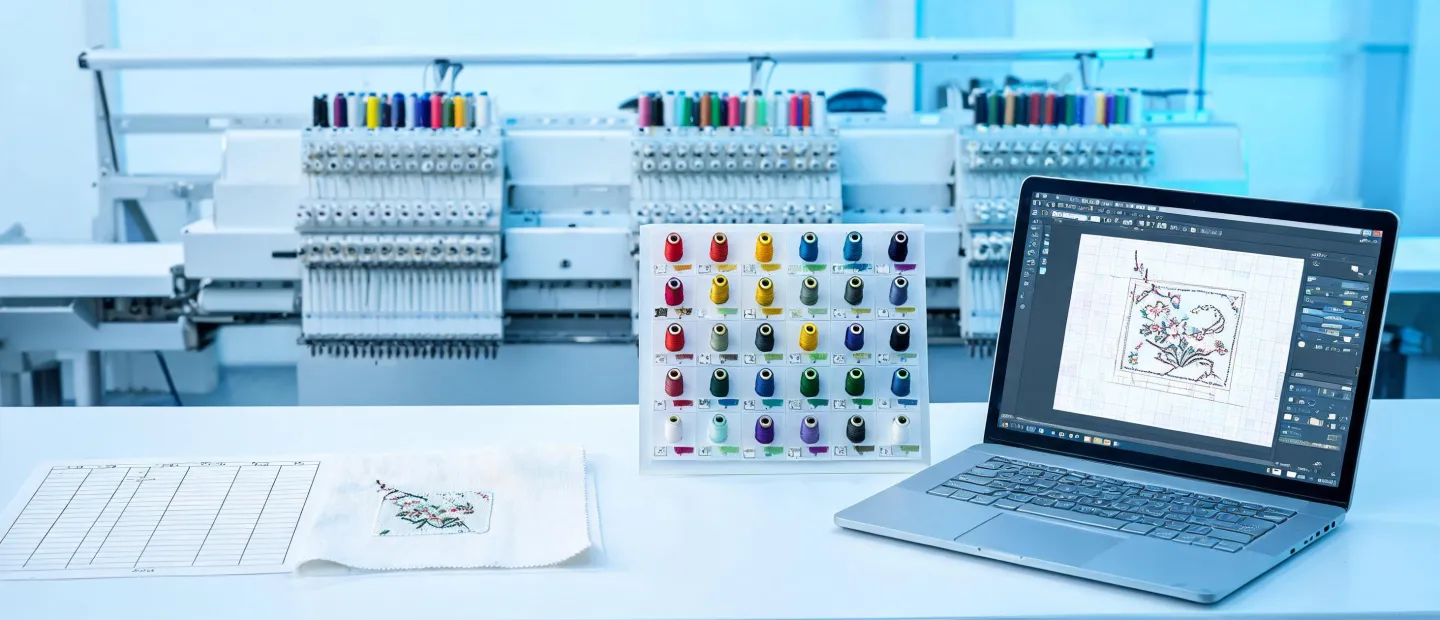
Share the garments, caps, bags, or patches that drive your order board. Melco can help frame the machine and onboarding conversation around those real applications.